Air Conditioning Maintenance: Keep Your Home Fresh This Summer
As summer nears, the necessity of a dependable air conditioning system becomes markedly noticeable. Homeowners must be careful for markers indicating that repairs are essential. Weird sounds or changing temperature levels can suggest root problems. Regular maintenance not only prolongs the life of the unit but also guarantees peak performance. Understanding typical concerns and recognizing when to act can make all the difference in maintaining a comfortable indoor environment during the heat of the season.
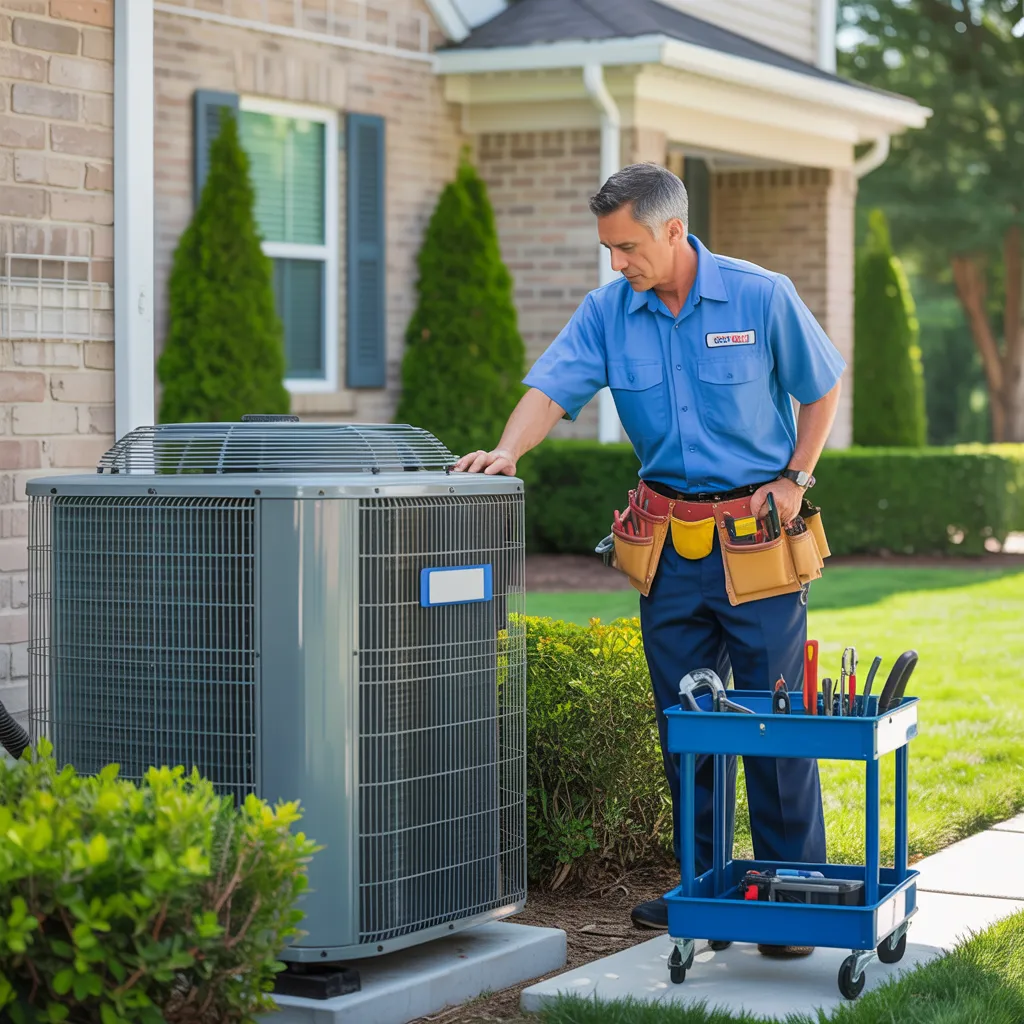
Warning Signs Your AC Requires Fixing?
When homeowners observe unexpected changes in their indoor temperature, it often means that their air conditioning system may require repair. Other clues include peculiar noises, such as grinding or hissing, which can suggest mechanical problems or refrigerant leaks. Furthermore, pooling water around the unit may indicate a blocked drain line or a refrigerant leak, both of which demand immediate attention. Homeowners should also be alert to unusual odors coming from the AC, as these may signal mold growth or electrical issues. If the system frequently cycles on and off, it could be a sign of an inefficient thermostat or other hidden issues. Finally, a noticeable increase in energy bills without a change in usage patterns can suggest a faulty unit. Recognizing these signs early can avoid more extensive damage and ensure the air conditioning system functions efficiently.
Typical Air Conditioning Concerns to Be Aware Of
Across the sphere of air conditioning maintenance, certain obstacles persistently occur that deserve regard. Low airflow issues can signal restrictions or mechanical issues, while strange noises may signal underlying mechanical concerns. Recognizing these indicators early can prevent costly work and preserve peak system functionality.
Insufficient Air Flow Troubles
Reduced air circulation issues can significantly affect an air conditioning system's performance and comfort levels. These issues typically stem from clogged air filters, which restrict airflow and cause the system to operate more intensely. Furthermore, blocked ducts or vents can stop cool air from moving effectively throughout the home. One more possible reason is a faulty blower motor, which might fail to push air adequately. Property owners should frequently check and swap out filters, ensuring ducts are free from blockages. Neglecting low airflow can lead to increased energy costs and can strain the system, causing more serious issues down the line. Tackling these concerns quickly helps maintain peak performance and extends the lifespan of the air conditioning unit.
Peculiar Noises Manifestation
Odd sounds from an air conditioning unit can indicate hidden problems that require immediate attention. Common sounds like grinding, hissing, or rattling frequently point to mechanical faults. A grinding sound may suggest worn bearings or a motor that is malfunctioning. Hissing typically indicates refrigerant leaks, which lower efficiency and lead to expensive repairs. Rattling noises often come from loose components or debris inside the unit. These noises should not be overlooked as they might escalate into more severe problems if not addressed. Timely maintenance and diagnosis by a professional technician can help resolving these issues, making sure the air conditioning system operates efficiently during the summer months. Homeowners should monitor these noises carefully to ensure optimal performance.
Essential Service Recommendations to Improve Your AC Operation
Ensuring ideal air conditioning efficiency copyrights on a few essential methods. Regularly replacing or cleaning air filters is vital, as dirty filters restrict airflow and lower efficiency. Homeowners should check filters monthly and replace them every one to three months, depending on usage. Keeping the outdoor unit clear of debris, such as leaves and dirt, also enhances airflow, allowing the system to work at its best.
In addition, arranging yearly professional maintenance can discover upcoming complications before they intensify. Technicians can maintain coils, track refrigerant levels, and ensure all components are running properly. Homeowners should also look into duct sealing to prevent air loss, which can lead to wasted power. Finally, keeping the thermostat at a constant setting can lessen pressure on the system. By adopting these critical maintenance practices, homeowners can increase system efficiency and provide a pleasant, cool environment during the summer months.
Why Swift Air Conditioning Maintenance Are Vital
Prompt air conditioning repairs are crucial for ensuring optimal system performance and longevity. When issues develop, delaying fixes can worsen minor issues, resulting in more serious deterioration and costly replacements. A faulty AC unit can also cause higher utility costs, as the system strains harder to maintain comfortable conditions. Additionally, prompt maintenance help maintain indoor air quality, as neglected systems may harbor mold growth and collect dust particles, potentially affecting health.
Resolving AC problems swiftly can stop system breakdowns during peak summer months when demand is high. Homeowners may face discomfort and inconvenience if their unit fails abruptly. Additionally, quick repairs can extend the lifespan of the air conditioning system, supplying long-term economies and efficiency. Ultimately, emphasizing quick repairs secures comfort and also protects the investment made in the air conditioning system, making it a vital aspect of home maintenance.
DIY AC Maintenance Tips
Learning about air conditioning issues can help homeowners to handle small issues before they deteriorate. One of the first steps is to check the thermostat settings; making sure it's set to "cool" and the desired temperature is appropriate can resolve many problems. Homeowners should also examine the air filter, as a clogged filter can restrict airflow and strain the system. Cleaning or replacing the filter frequently is essential for optimal performance.
Next, examining the external component for blockages and obstacles is crucial. Removing foliage, dust, and various debris can enhance airflow and efficiency. Additionally, checking for ice buildup on the evaporator coils can indicate a refrigerant issue or airflow obstruction.
Finally, listening for unusual sounds during use may indicate mechanical issues. By adhering to these simple diagnostic guidelines, homeowners can often identify and resolve minor AC problems, ensuring their home remains cool throughout the summer months.
When do you require to contact a trained technician for AC repair?
When dealing with ongoing air conditioning problems, how can homeowners determine when it's time to call in a expert? A few important signs can guide this choice. First, if the unit is blowing warm air despite being set to cool, it may indicate a refrigerant leak or compressor issue. Additionally, strange noises, such as grinding or screeching, often indicate mechanical failures that demand expert attention.
Regular cycling, where the unit turns on and off constantly, can also point to concealed complications that could become more severe over time. Homeowners should recognize rising energy bills, as inefficiencies often arise from defective equipment.
Finally, if the system is over 10 years old and demands overview numerous repairs, it may be more budget-friendly to consult a professional for a thorough inspection. Recognizing these signs can help guarantee that the air conditioning system functions optimally throughout the summer months.
Main Elements Impacting AC Repair Costs
Recognizing the requirement for expert AC repair is just the start; understanding the factors that influence repair costs is equally critical. Several elements can considerably affect the final bill. First, the kind of repair needed has a crucial role; minor repairs typically cost less than major part substitutions. The years and brand of the air conditioning unit also matter, as older models may need specialized parts that are harder to find and more costly.
Labor fees fluctuate by area and service provider, with some technicians charging premium prices due to their expertise or demand. Furthermore, the season can affect pricing, as repairs tend to be more costly during peak summer months when demand surges. In addition, additional services, like regular servicing or diagnostic fees, may raise the overall expense. Understanding these aspects allows homeowners to make informed decisions when seeking AC repair services.
Questions Posed on a Frequent Basis
How Often Should I Organize Professional AC Servicing?
Industry professionals advise arranging AC maintenance at least once yearly, preferably before the cooling season starts. Consistent assessments can prevent malfunctions, improve efficiency, and increase the lifespan of the air conditioning unit.
Can I Operate My AC During a Power Outage?
In the event of a power outage, AC systems are unable to operate, as they need electricity to function. Still, some homeowners could employ backup generators to power their systems temporarily, maintaining comfort until power is restored. Necessary safety measures must be observed when proceeding.
What Advantages Will Upgrading My AC System Deliver?
Updating an HVAC unit optimizes energy efficiency, minimizes power expenses, enhances air freshness, heightens well-being, and regularly incorporates sophisticated technology such as programmable management. These rewards foster a more green and enjoyable living environment.
What Ways Can I Optimize Indoor Air Quality Using My AC?
Boosting indoor air quality with an AC system involves regular filter changes, ensuring proper ventilation, using air purifiers, and maintaining ideal humidity levels. These steps help lower allergens and contaminants, promoting a healthier indoor environment.
Can I locate fuel-efficient AC alternatives for my dwelling?
Many power-saving air conditioning options are available, such as inverter systems, ductless mini-splits, and ENERGY STAR-rated units. These options reduce energy consumption while maintaining comfort, ultimately leading to lower utility bills and a reduced environmental footprint.